
Composite Dental Fillings & Pit Fissure Sealants
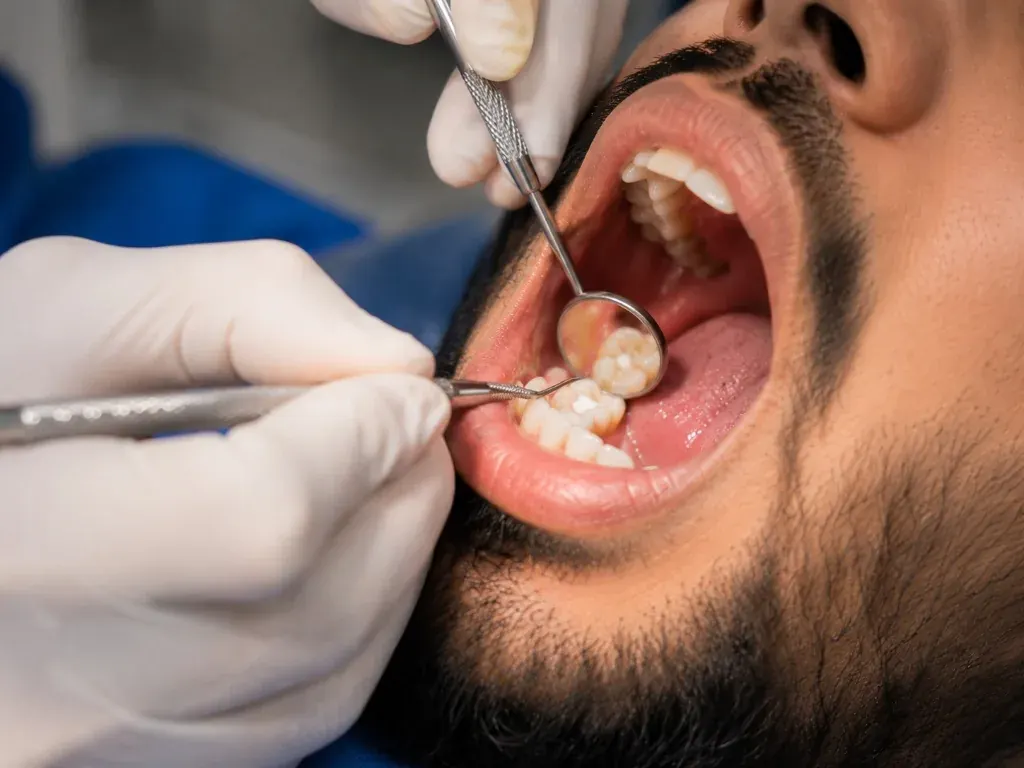
When tooth enamel experiences decay, it forms a cavity that must be cleaned and filled to stop infection from reaching the nerve. In the past, dark silver amalgam fillings were standard, but they are unsightly and expand over time, risking tooth fractures.
At Dr Batra's Dental Hub, we restore teeth using advanced, bio-compatible tooth-colored composite resins. These fillings are chemically bonded and matched to your exact tooth shade, restoring complete biting strength and aesthetics. We also offer preventive pit & fissure sealants to shield vulnerable grooves in children's teeth.
Restorative Features
- Tooth-Colored Composites: Aesthetically matched resin materials that seamlessly blend with your surrounding natural teeth.
- Chemical Adhesion: Composite fillings bond directly to the tooth structure, requiring less enamel removal than old silver fillings.
- Preventive Fissure Sealants: A thin, protective fluid shield painted on chewing molars to prevent cavities.
- Durability under Pressure: Engineered to withstand high biting forces for years of functional chewing.
When a Filling Is Needed
A filling repairs a tooth where decay has broken through the enamel. Caught early, it is a single short appointment. Left too long, the decay reaches the nerve and the tooth needs root canal treatment instead — which is why the six-monthly check-up matters more than most people think.
- A visible hole, dark spot or rough edge you can feel with your tongue
- Sensitivity to sweet, hot or cold that passes quickly
- Food consistently packing into the same spot between two teeth
- A chipped or fractured tooth
- Decay found on a radiograph before you have felt anything
Composite vs Amalgam
We place tooth-coloured composite rather than silver amalgam. Composite bonds to the tooth structure, which means less healthy tooth has to be removed to hold it in place, and it matches your natural shade. It is placed and cured in layers under an adhesive protocol, and it is finished and polished in the same visit.
What Happens at the Appointment
- Anaesthetic if needed. Very shallow fillings sometimes do not require it; anything deeper does.
- Removing the decay. Only the affected tissue, conserving as much healthy tooth as possible.
- Isolation and bonding. The tooth is kept dry and an adhesive applied — moisture control is what determines how long a composite lasts.
- Layered placement and curing. Built up incrementally and set with a curing light.
- Shaping and bite check. Contoured, polished, and your bite checked so nothing feels high.
Pit & Fissure Sealants
The biting surfaces of back teeth have deep grooves that a toothbrush bristle physically cannot enter. A sealant is a thin flowable coating painted into those grooves to seal them before decay can start. It is quick, entirely painless and requires no drilling or anaesthetic.
Sealants are most valuable on the first permanent molars, which arrive around age six — often before a child brushes well enough to keep those grooves clean. See paediatric dentistry.
How Long They Last
A well-placed composite filling commonly lasts several years, and often much longer. Lifespan depends on the size of the filling, where it sits in the bite, whether you grind (a night guard protects them), and how well the margins are kept clean. Sealants are checked at each visit and topped up if they wear.
Fillings & Sealants in South Bopal & Ahmedabad
Most fillings are completed in a single appointment at our South Bopal clinic, a short drive from Bopal, Shela, Ghuma and Shilaj. Book an appointment, or read about the check-up that finds decay before it hurts.